




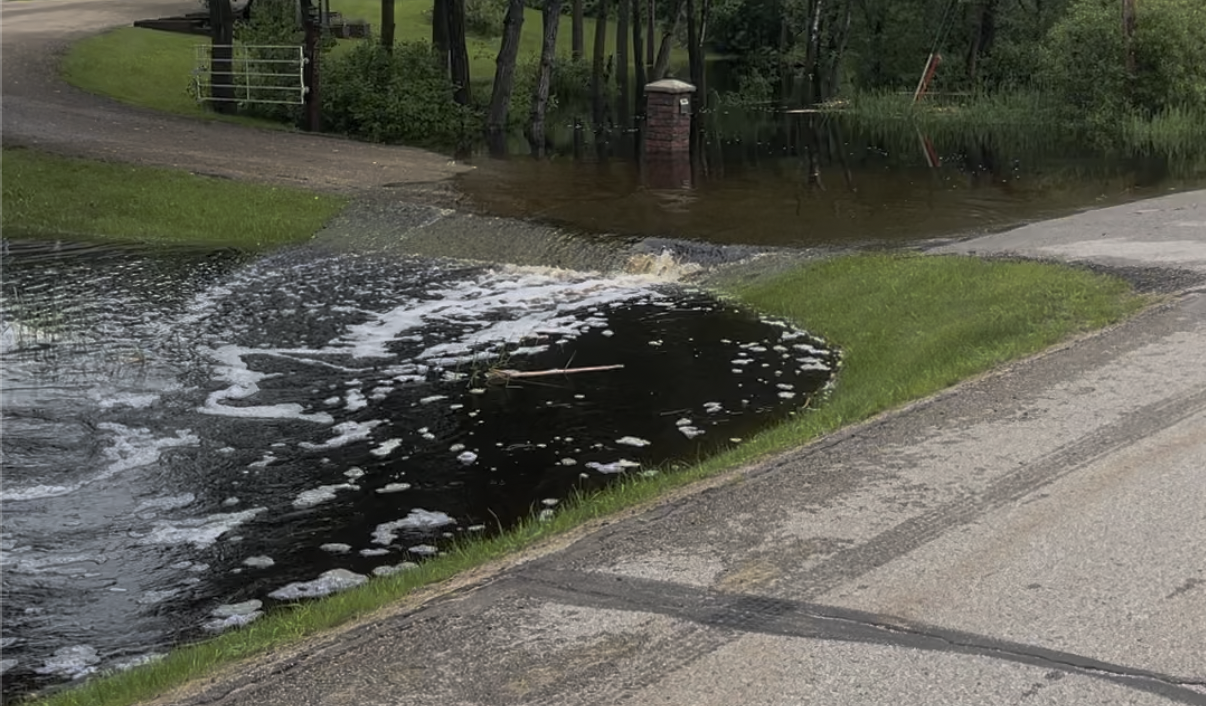
What do you do now?
With the amount of rain we’ve experienced recently, many homeowners are breathing a sigh of relief now that the skies have cleared. Unfortunately, water damage doesn’t stop when the rain does.
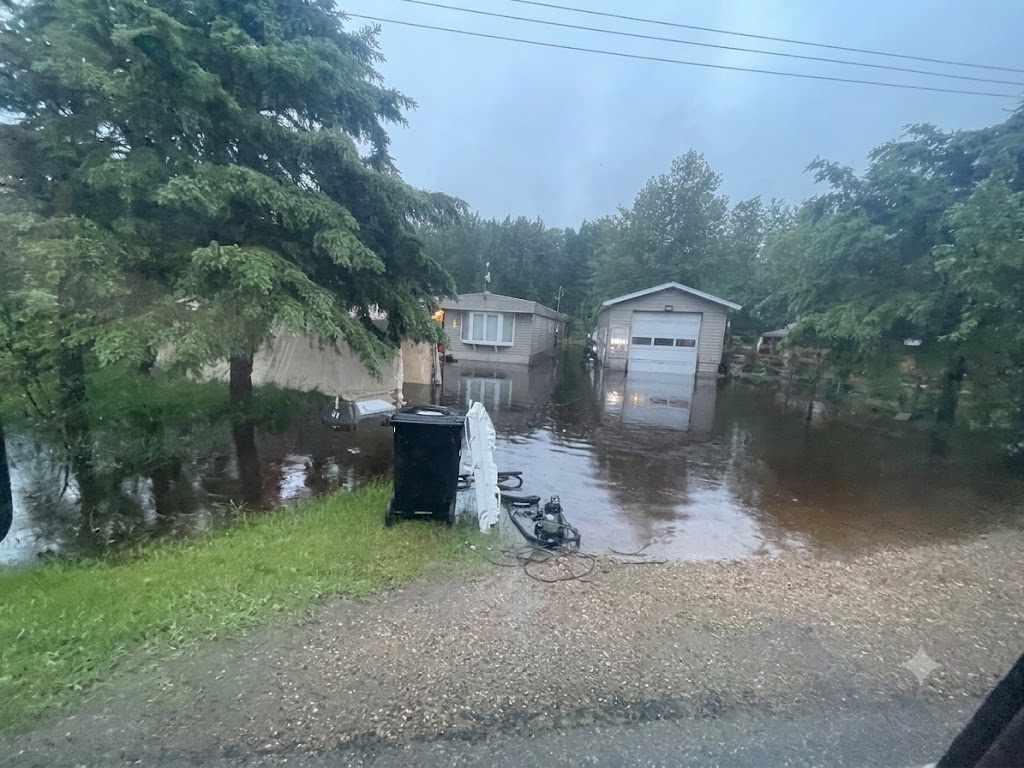
In many cases, the real problems begin days—or even weeks—later.
Water Finds a Way
Your home is designed to keep water out, but prolonged or heavy rainfall can expose weak points you didn’t know existed.
Common entry points include:
- Roof leaks caused by damaged shingles or flashing
- Overflowing eavestroughs and plugged downspouts
- Window and door seals that have deteriorated over time
- Foundation cracks allowing groundwater into basements
- Poor grading that directs water toward your home instead of away from it
- Groundwater swell combined with a lack of a working Sump Pump
Often, the water or subsequent damage isn’t immediately visible. It can soak into insulation, drywall, flooring, or framing long before you notice any signs.
Why Mold Is a Serious Concern
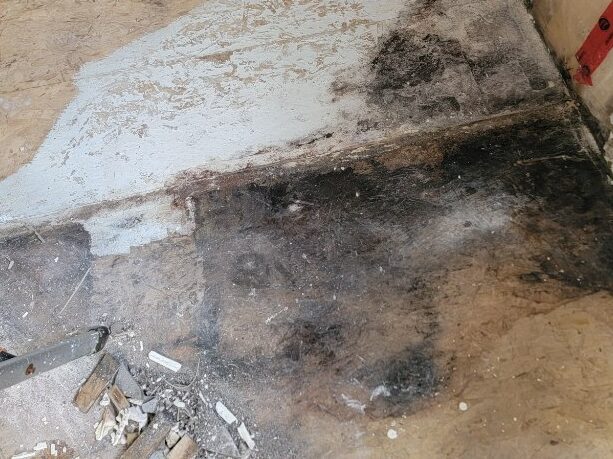
One of the biggest risks after water intrusion is mold.
When building materials remain damp, mold can begin growing surprisingly quickly. Once established, it can spread behind walls, beneath flooring, and into ceilings where it’s difficult to detect.
Warning signs include:
- A musty or earthy smell
- Discoloured spots on walls or ceilings
- Peeling paint or bubbling drywall
- Soft or swollen baseboards
- Floors that feel warped or uneven
- Wet carpet or separated laminate
- Even personal prolonged headaches, nausea
Ignoring these signs won’t make the problem go away. In fact, the longer moisture remains trapped, the more extensive—and expensive—the repairs can become.
What You Should Check After Heavy Rain
Take a walk around your home and inspect:
- Your attic for signs of roof leaks or damp insulation.
- Basement walls and floors for moisture or water stains.
- Around windows and doors for staining, swelling or bubbling paint.
- Under sinks and around appliances, where added humidity can reveal hidden leaks.
- Outside, ensure downspouts are moving water well away from your foundation and that water isn’t pooling against the house.
- Is your Sump Pump plugged in and working(You can hear it start)
A quick inspection today could prevent thousands of dollars in repairs later.
When to Call a Professional
If you’ve noticed water where it shouldn’t be, don’t assume it will simply dry out on its own.
Professional moisture detection can identify hidden water behind walls, under flooring, and inside ceilings before mold becomes a much larger issue. Early intervention often means less demolition, lower repair costs, and a healthier home.
We’re Here to Help
At Full Scope Construction & Restoration, we help homeowners identify, repair, and restore damage caused by water intrusion. Whether it’s a small leak or significant storm-related damage, we’ll provide an honest assessment and recommend the most effective solution—without unnecessary work.
Heavy rain may be unavoidable, but long-term water damage doesn’t have to be.
If you’re concerned about your home after the recent storms, now is the time to inspect, act early, and protect one of your biggest investments.